Women’s History Month: Did You Know These Facts?
Women’s history is not separate from everyday life. It shows up in how we vote, work, earn, speak, and lead. Many of the freedoms women experience today exist because others pushed against systems that told them to stay quiet, stay small, or stay out.
Here are a few powerful reminders worth knowing.
1. Women Were Not Always Allowed to Vote
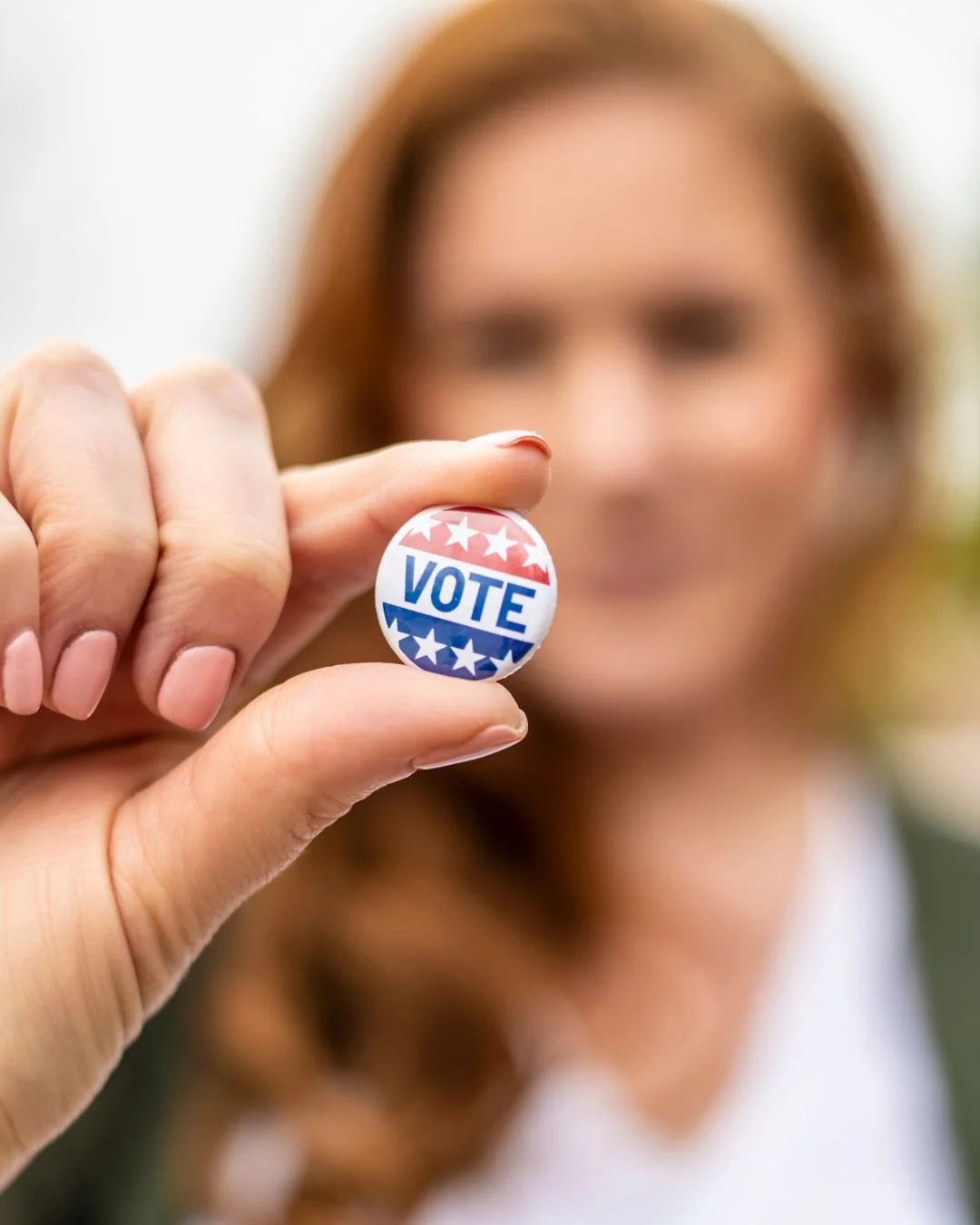
In 1893, New Zealand became the first country to grant women the right to vote. This milestone reshaped global conversations around democracy and representation, paving the way for voting rights movements worldwide.
Voting is often treated as routine now, but it was once a hard-won demand.
2. One Woman Helped Lead the Fight for Suffrage
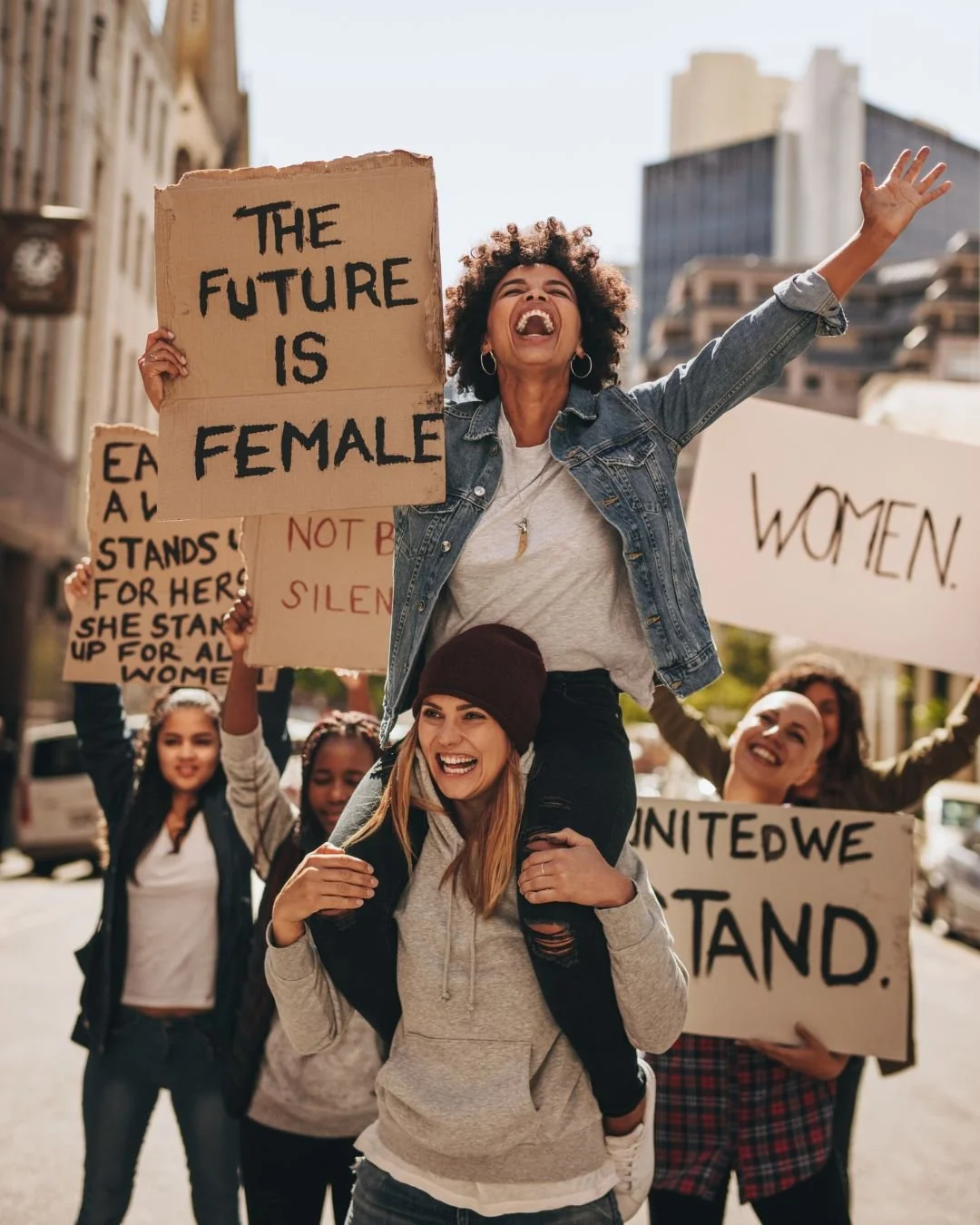
Inez Milholland was a powerful voice in the women’s suffrage movement. She led marches, delivered speeches, and used her platform to push for voting rights that now impact millions of women daily.
Her visibility helped turn protest into progress.
3. Women Were Barred From Financial Independence Until the 1970s
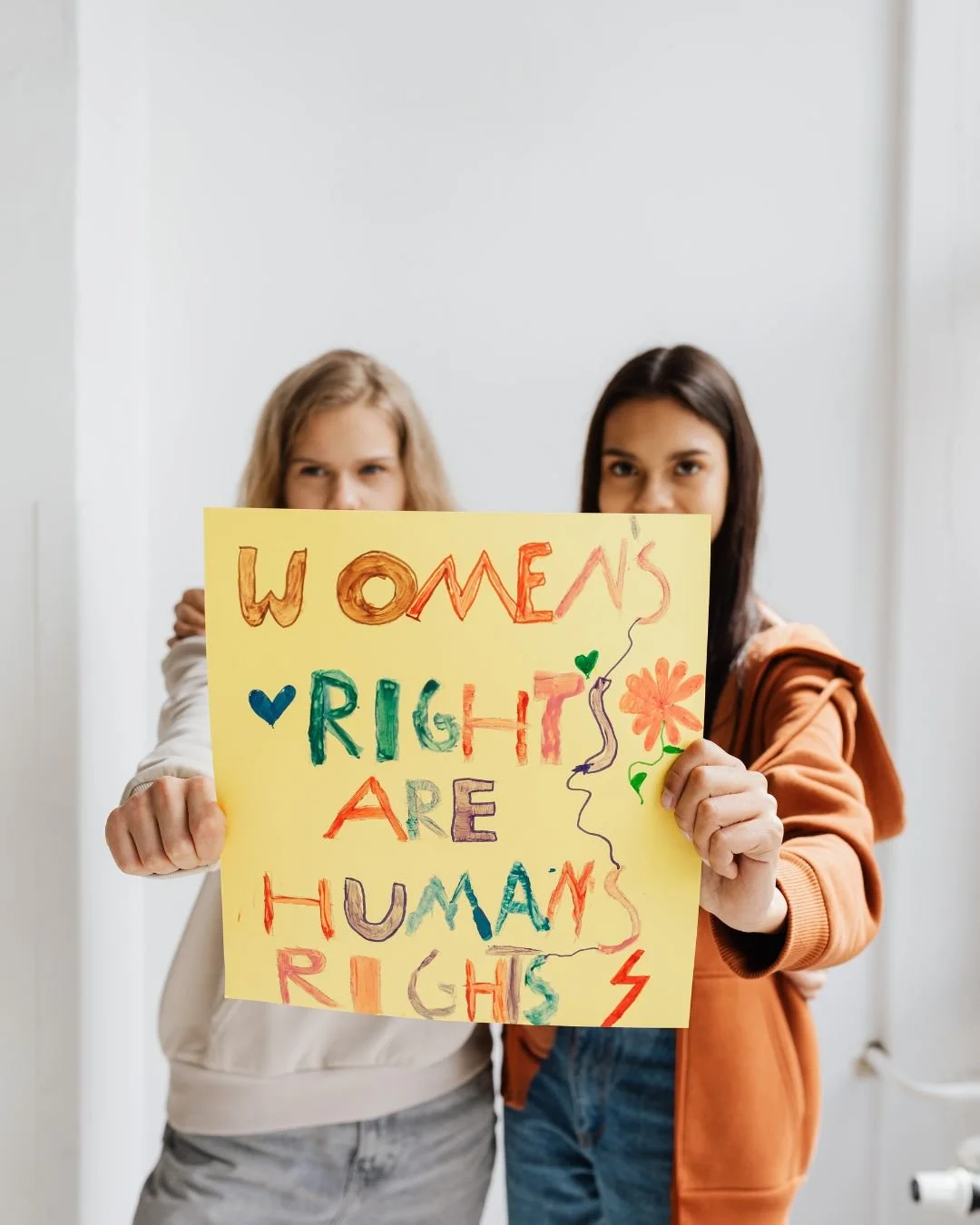
In the United States, women could not open a bank account without a male co-signer until the 1970s. Financial autonomy, something many women now expect as basic, was once legally denied.
The ability to earn, save, and build wealth independently is a relatively recent right.
4. One Match Changed How the World Viewed Women in Sports

In 1973, Billie Jean King defeated Bobby Riggs in the televised “Battle of the Sexes.” The match challenged the belief that women were athletically inferior and became a cultural turning point for gender equality in sports.
That win echoed far beyond the tennis court.
5. A Woman Built a Media Empire on Her Own Terms
Oprah Winfrey built one of the most influential media empires in history and became the first Black woman billionaire. She did so by controlling her narrative, her business, and her voice.
Her success redefined what leadership and ownership could look like.
6. A Black Woman Ran for President Before It Was “Acceptable”
Shirley Chisholm became the first Black woman to run for President of the United States in 1972. Her campaign challenged both racial and gender barriers in American politics.
She ran not because it was easy, but because representation mattered.
Final Thoughts, Bling Babe:
Women’s history is not distant or abstract. It lives in the choices available today, the access women now have, and the voices that are finally being heard. Honoring women’s history means recognizing progress while continuing to protect and expand it.
